
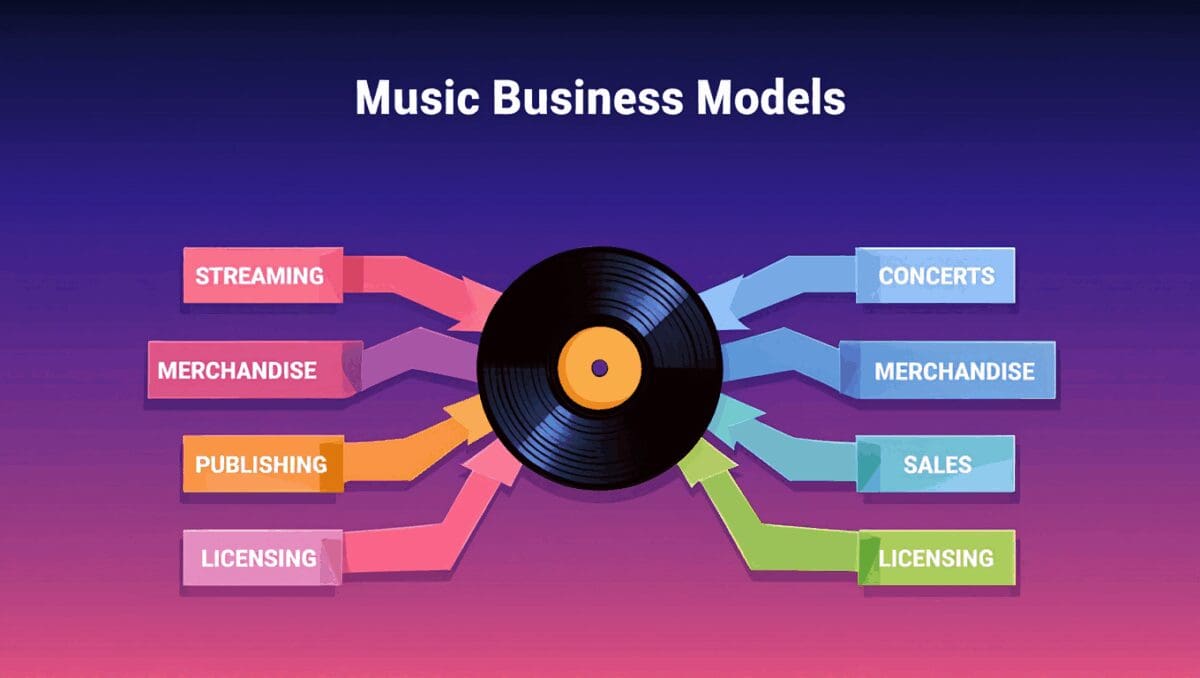

The very structure of the music industry is shifting under our feet. Artists now have direct access to their listeners and can earn money in ways unheard of just a decade ago. Yet while over 80% of music revenue now comes from digital sources and streaming services, it might surprise you to learn that streaming alone can hardly pay the bills for most musicians. The real transformation is in how artists are building devoted communities and inventing never-seen-before ways to turn their creativity into sustainable income.
Table of Contents
- Traditional Versus Modern Music Business Models
- Direct-To-Fan Approaches And DIY Strategies
- Streaming Services And Digital Revenue Streams
- Emerging Trends Shaping Music Business Futures
Quick Summary
| Takeaway | Explanation |
|---|---|
| Digital online platforms empower independent artists. | Artists can now bypass traditional labels and connect directly with audiences through digital channels. |
| Revenue streams have diversified significantly. | Artists can earn from streaming, merchandise, subscriptions, and crowdfunding, reducing reliance on album sales. |
| Fan engagement is crucial for success. | Building authentic relationships with fans leads to loyalty, support, and increased revenue opportunities. |
| Understanding streaming economics is essential. | Artists need to grasp how streaming royalties work to effectively generate income and promote their music. |
| Emerging technologies will shape the future. | Technologies like AI and blockchain can transform music creation and distribution, providing new opportunities for artists. |
Traditional Versus Modern Music Business Models
The music industry stands at a fascinating crossroads, where traditional business models are colliding head-on with digital transformation. Gone are the days when record labels held absolute power and artists relied solely on physical album sales. Today’s music ecosystem is a dynamic, rapidly evolving landscape that demands creativity, adaptability, and strategic thinking.
The Shifting Power Dynamics
Traditionally, record labels were the gatekeepers of musical success. They controlled distribution, marketing, and financial resources, essentially determining which artists would have a shot at stardom. Musicians would sign away significant portions of their rights, hoping for a chance at mainstream recognition. These contracts often resembled a Faustian bargain – artists trading creative control and substantial revenue percentages for industry connections and promotional muscle.
Modern music business models have dramatically disrupted this paradigm. Digital platforms have democratised music distribution, allowing independent artists to reach global audiences without traditional label intermediaries. Streaming services like Spotify and Apple Music have become the primary consumption channels, fundamentally altering how musicians monetise their work. Artists now have unprecedented direct access to connecting with fans, bypassing traditional promotional gatekeeping.
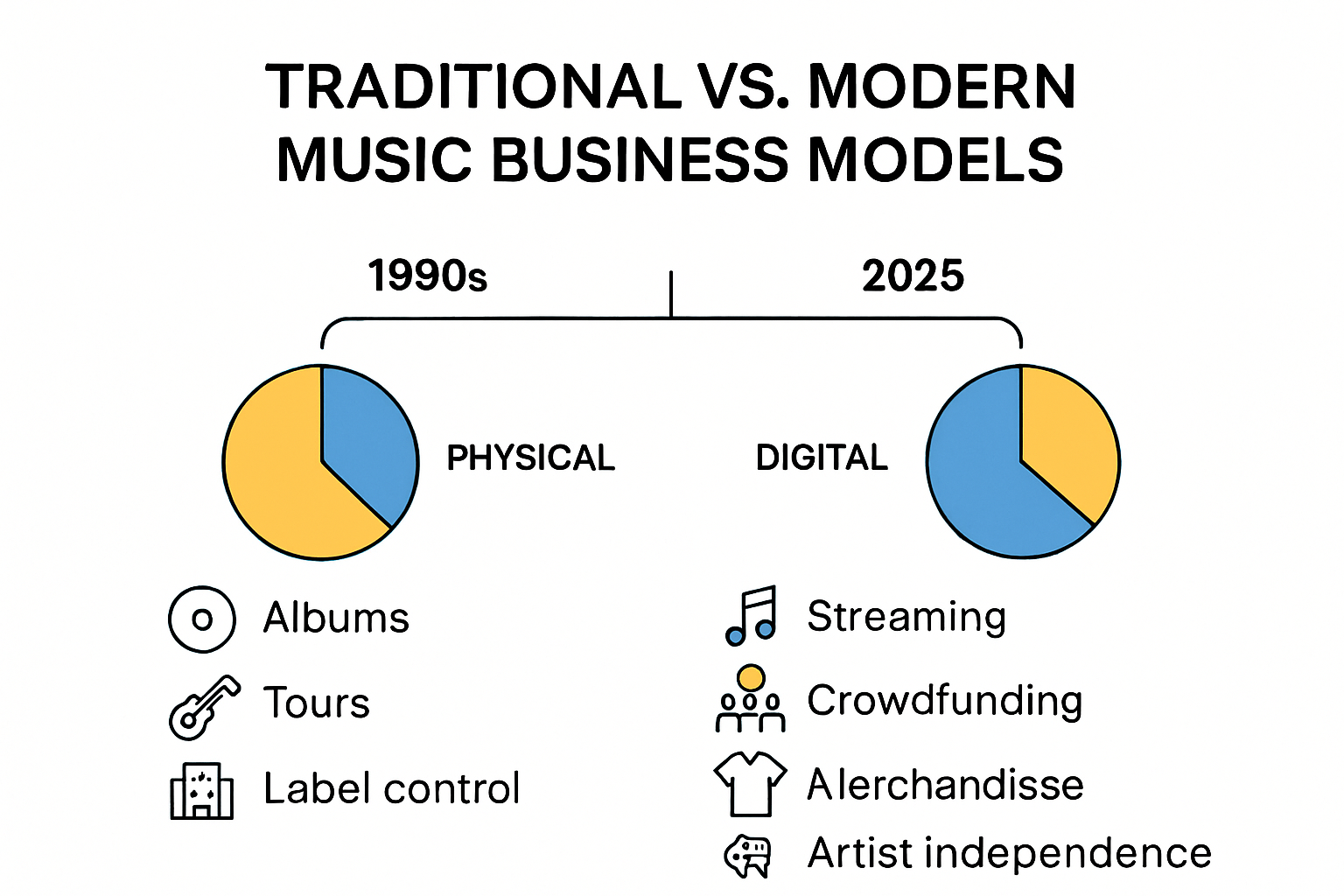
Revenue Streams and Digital Transformation
In the traditional model, revenue primarily came from album sales, live performances, and licensing. Record labels would invest heavily in physical production, distribution, and marketing. An artist’s success was measured by record sales and radio play. Fast forward to 2025, and the revenue landscape looks dramatically different.
Modern music business models have fragmented income streams. Streaming royalties, sync licensing (commercials and video games, movies & TV), merchandise sales, crowdfunding, direct fan subscriptions, and digital performance rights have become crucial income channels. Artists are no longer dependent on a single revenue stream but can strategically diversify their earnings. Explore our comprehensive guide on music distribution strategies to understand how modern musicians are navigating this complex ecosystem.
The shift isn’t just about technology – it’s a profound cultural transformation. Independent artists now have tools that were once exclusive to major labels. Music promotion, distribution, and fan engagement have been democratised. Social media, algorithmic playlists, and targeted digital marketing have levelled the playing field, allowing talented musicians to build global fan bases without traditional industry support.
However, this democratisation doesn’t mean success is guaranteed. The modern music business requires artists to be multifaceted entrepreneurs. Musicians must now understand digital marketing, social media strategy, content creation, and personal branding alongside their musical talents. The most successful artists are those who can effectively blend creative excellence with strategic business acumen.
As we look towards 2025, the music industry continues to evolve. Emerging technologies like blockchain, AI-driven music creation, and advanced data analytics are poised to further transform how music is created, distributed, and monetised. The future belongs to artists who can adapt, innovate, and leverage these digital tools effectively.
Ready to navigate this exciting new musical landscape? Join Music Gateway and unlock the tools and resources you need to thrive in the modern music industry.
Direct-to-Fan Approaches and DIY Strategies
The rise of digital platforms has empowered musicians to take unprecedented control of their careers through direct-to-fan strategies and DIY approaches. No longer confined by traditional industry gatekeepers, artists can now build intimate, sustainable relationships with their audiences while maintaining creative and financial autonomy.
Building Authentic Fan Communities
Modern musicians understand that fans aren’t just passive consumers but active participants in their artistic journey. Platforms like Patreon, Bandcamp, and Instagram have transformed fan engagement from transactional interactions to genuine community building. Artists can now share behind-the-scenes content, exclusive recordings, and personal narratives that create deeper connections. Discover advanced music marketing techniques to elevate your fan engagement strategy.
Successful direct-to-fan approaches go beyond simple social media posts. They involve creating immersive experiences that make fans feel like integral parts of an artist’s creative ecosystem. This might mean hosting virtual listening parties, offering exclusive merchandise, providing early access to new music, or creating interactive livestream events where fans can directly communicate with the artist.
Monetising Independent Creativity
The DIY music model has revolutionised how artists generate revenue. Crowdfunding platforms like Kickstarter and IndieGoGo allow musicians to finance albums directly through fan support. Subscription models on platforms such as Patreon enable artists to receive consistent monthly income while providing exclusive content. This approach shifts the financial paradigm from relying on record label advances to building a sustainable, fan-driven income stream.
Direct sales through platforms like Bandcamp give artists significantly higher revenue percentages compared to traditional streaming models. Musicians can set their prices, offer flexible purchasing options, and retain complete control over their music distribution. Some artists have even experimented with blockchain and NFT technologies to create unique, limited-edition digital assets that provide additional revenue streams.
Creating a successful DIY strategy requires musicians to become multi-skilled entrepreneurs. They must simultaneously be artists, marketers, content creators, and community managers. This means developing skills in digital marketing, social media strategy, graphic design, and basic video production. While challenging, this approach offers unprecedented creative freedom and potential for financial success.
The most effective direct-to-fan strategies blend authenticity, consistent engagement, and strategic content creation. Artists who transparently share their creative process, respond genuinely to fan interactions, and provide consistent, high-quality content are more likely to build loyal, supportive fan bases. The key is viewing fans as collaborators rather than mere consumers.

Technology continues to evolve, presenting new opportunities for direct artist-fan connections. Emerging platforms are exploring more immersive ways of engagement, such as virtual reality concerts, AI-powered personalised content, and advanced community management tools. Artists who remain adaptable and willing to experiment will be best positioned to leverage these emerging technologies.
Ready to transform your music career? Join Music Gateway and unlock the tools you need to build a thriving, independent music business.
Streaming Services and Digital Revenue Streams
The digital music landscape has fundamentally transformed how artists generate revenue, with streaming services becoming the primary consumption channel for modern listeners. What was once a complex ecosystem dominated by physical album sales has evolved into a nuanced digital marketplace where algorithmic playlists, subscriber metrics, and global reach determine an artist’s financial success.
Understanding Streaming Economics
Streaming platforms have created a complex revenue ecosystem that dramatically differs from traditional music monetisation models. Unlike the straightforward per-album sale approach, streaming revenue is calculated through intricate algorithmic calculations involving total streams, listener engagement, and platform-specific royalty rates. Spotify, Apple Music, and Amazon Music have become the new gatekeepers, with each platform offering slightly different revenue structures that can significantly impact an artist’s income.
The current streaming model predominantly uses a pro-rata distribution system, where the total monthly revenue is pooled and distributed based on an artist’s percentage of total platform streams. This approach has been increasingly criticised by independent musicians who argue that it disproportionately benefits established artists with massive listener bases. Emerging artists often find themselves receiving fractional payments that make sustainable income challenging. Explore our comprehensive guide on music distribution strategies to understand how modern musicians can navigate these complex revenue streams.
Diversifying Digital Revenue Channels
Savvy musicians in 2025 recognise that streaming is just one component of a broader digital revenue strategy. Successful artists are combining multiple income streams to create a robust financial model. This might include synchronisation licensing for film and television, brand partnerships, fan subscriptions on platforms like Patreon, merchandise sales, and targeted digital advertising.
The rise of playlist culture has created new opportunities for strategic music promotion. Securing placement on popular algorithmic and curated playlists can exponentially increase an artist’s visibility and streaming revenue. This has given birth to a new micro-industry of playlist promotion specialists who help artists strategically position their music for maximum algorithmic and human curation potential.
Technological advancements are further complicating the streaming landscape. Artificial intelligence and machine learning algorithms are becoming increasingly sophisticated in recommending music, creating both opportunities and challenges for independent artists. These algorithms can potentially democratise music discovery, allowing talented musicians to reach global audiences without traditional industry infrastructure.
However, the streaming economy is not without its challenges. The extremely low per-stream rates mean artists need astronomical listener numbers to generate meaningful income. A track might need thousands of streams to generate just a few pounds, forcing musicians to think creatively about revenue generation. This has led to a more entrepreneurial approach, where musicians view streaming as a marketing tool rather than a primary income source.
Looking towards the future, emerging technologies like blockchain and decentralised platforms promise to further disrupt the streaming ecosystem. These technologies could potentially offer more transparent, fair compensation models that give artists greater control over their music and more direct financial relationships with their audiences.
Ready to master the digital music economy? Join Music Gateway and unlock the tools you need to thrive in the streaming era.
Emerging Trends Shaping Music Business Futures
The music industry stands on the precipice of a technological revolution, with emerging trends promising to reshape how music is created, distributed, and experienced. As we approach 2025, innovative technologies and evolving consumer behaviours are creating unprecedented opportunities for artists and industry professionals willing to embrace change.
Artificial Intelligence and Music Creation
Artificial intelligence is no longer a distant concept but a transformative force in music production. AI technologies are now capable of generating original compositions, assisting in production, and providing advanced creative tools that augment human creativity. Musicians can leverage AI-powered algorithms to generate musical ideas, analyse audience preferences, and even predict potential hit tracks. These technologies are not replacing human creativity but serving as powerful collaborative tools that expand artistic possibilities.
Machine learning algorithms are becoming increasingly sophisticated in understanding musical patterns, genre characteristics, and listener preferences. This allows for more personalised music recommendations, intelligent playlist curation, and targeted marketing strategies. Learn more about cutting-edge music discovery platforms that are revolutionising how artists connect with audiences.
Blockchain and Decentralised Music Ecosystems
Blockchain technology is poised to dramatically transform music ownership, royalty distribution, and intellectual property management. By creating transparent, immutable records of musical works and performance rights, blockchain offers solutions to long-standing challenges in music rights management. Smart contracts can automatically distribute royalties, ensuring more equitable compensation for artists and reducing the administrative overhead associated with traditional rights management.
Decentralised platforms are emerging that give artists greater control over their music and direct relationships with fans. These platforms eliminate intermediaries, allowing musicians to monetise their work more efficiently. Cryptocurrency and NFT technologies are creating new revenue streams, enabling artists to sell unique digital assets, limited edition releases, and exclusive fan experiences that extend beyond traditional music consumption models.
The convergence of virtual reality, augmented reality, and music is creating entirely new performance and engagement paradigms. Artists can now host immersive virtual concerts, create interactive music experiences, and build global fan communities that transcend physical limitations. These technologies are blurring the lines between live performance, digital interaction, and fan engagement.
Emerging technologies are also democratising music production. Advanced software, cloud-based collaboration tools, and affordable recording equipment are reducing barriers to entry. Independent artists can now produce professional-quality music from home studios, access global distribution channels, and compete with established industry players in ways that were impossible just a decade ago.
The future of the music industry is not about technology replacing human creativity but about technology empowering artists to explore new creative frontiers. Musicians who remain adaptable, embrace technological innovation, and maintain their unique artistic vision will be best positioned to thrive in this rapidly evolving landscape.
The most successful artists in 2025 will be those who view technology not as a threat but as a powerful ally in their creative journey. They will be curious, experimental, and willing to integrate new tools and platforms into their artistic practice.
Ready to be at the forefront of musical innovation? Join Music Gateway and unlock the tools and resources that will define the future of music.
To clarify the differences between traditional and modern music business models, here’s a comparison of their characteristics and revenue streams:
| Aspect | Traditional Model | Modern Model |
|---|---|---|
| Distribution Control | Mostly record label-driven | Artist and direct platform-driven |
| Primary Revenue Source | Album sales, live shows, licensing | Streaming, fan subscriptions, merch, sync, crowdfunding |
| Artist-Fan Relationship | Indirect, mediated by industry | Direct, community-driven |
| Role of Technology | Limited to production & physical sales | Central to creation, distribution, engagement |
| Creative Control | Often label-directed | Largely artist-controlled |
Below is a table summarising the diverse digital revenue channels now available to artists, as contrasted with the more limited historical options:
| Revenue Stream | Description | Traditional? | Modern? |
|---|---|---|---|
| Album Sales | Physical or digital sales of music albums | ✓ | ✓ |
| Streaming Royalties | Earnings from streams on platforms like Spotify | ✓ | |
| Merchandise Sales | Income from branded goods | ✓ | ✓ |
| Crowdfunding | Fan-funded music projects via platforms like Kickstarter | ✓ | |
| Fan Subscriptions | Monthly support through sites like Patreon | ✓ | |
| Sync Licensing | Placement of music in film/TV/ads | ✓ | ✓ |
| Live Performances | Ticketed shows, concerts | ✓ | ✓ |
Frequently Asked Questions
What are the main differences between traditional and modern music business models?
Traditional music business models rely heavily on record labels for distribution, and revenue primarily comes from album sales, while modern models allow artists direct access to platforms and revenue from streaming, merchandise sales, and fan subscriptions.
How can artists monetise their music independently in 2025?
Artists can monetise their music through various streams, including crowdfunding, fan subscriptions on platforms like Patreon, merchandise sales, and licensing their music for sync opportunities in film and TV.
What role does streaming play in today’s music revenue?
Streaming has become a primary source of income for many artists, but due to low per-stream rates, artists are encouraged to diversify their revenue by combining streaming with direct-to-fan sales and other income streams.
How can technology help artists build relationships with fans?
Technology enables musicians to engage directly with fans through social media and direct-to-fan platforms, allowing them to create authentic communities by sharing exclusive content, behind-the-scenes access, and interactive experiences.
Take Charge of Your Music Career With Real Industry Tools
Building sustainable income as an artist today is tougher than ever. You might be facing the reality that streaming payouts rarely cover costs, while direct-to-fan and DIY methods often require more time and expertise than you imagined. Modern success means juggling music creation with everything from playlist submission to digital promotion, often without the support or transparency found in bigger industry circles. This shift can feel overwhelming, especially as you balance your creative ambitions with the practical demands of navigating new music business models and technology.
Ready to break through the gatekeeping and make your music stand out in 2025? Let Music Gateway guide you through every step, with services that simplify promotion, distribution, and sync licensing, all from one powerful platform. Get immediate access to expert support, successful case studies, and streamlined solutions for music promotion that help you reach more fans and build real career momentum. Start your journey now and seize the opportunities you deserve before someone else does.