

Right, let’s cut through the bollocks, shall we? Everyone and their mate wants to know the “secret” to massive music exposure. Well, here’s the first secret: it costs proper money. Like, serious money.
We’re talking £500,000 to £2,000,000 to break an artist in major markets, according to the industry wonks who actually count these things. But before you start hyperventilating into your Tesco bag, stick around, there are other ways to skin this particular cat, and building a sustainable music career doesn’t always require selling a kidney.
The Financial Reality Check (Brace Yourself)
Let’s start with the elephant in the room wearing a very expensive suit. Massive exposure costs massive money. Always has, always will. A proper national radio campaign? That’ll be £50,000 to £150,000 for a 4-6 week push, thank you very much. Want to go regional instead? You’re still looking at £10,000 if you’re lucky enough to live somewhere like Portland, Maine, or £120,000 if you fancy taking on Chicago.
Here’s the kicker – major labels routinely spend 20% of their annual gross income on promotion. Twenty bloody per cent! That’s not pocket change; that’s mortgage money, holiday money, and “maybe I should have become an accountant” money all rolled into one.
But here’s where it gets interesting for us indie lot. While the majors are throwing around money like confetti at a very expensive wedding, some clever sods have cracked the code with much smaller budgets. One documented case saw an artist achieve 10+ million views and 35,000 new Spotify listeners for just £1,000 in ad spend. Not too shabby, eh? Of course, knowing how to spend that grand effectively is the real trick – proper Music Promotion services can be the difference between pissing money up the wall and actually seeing results.
The key is understanding your target audience and promoting your music strategically rather than just throwing content at every social media platform and hoping something sticks.
The Guerrilla Warfare Approach (When Creativity Trumps Cash)
Now we’re talking. Guerrilla marketing is where the music industry gets properly mental, and I mean that as a compliment. Some of the most legendary campaigns have come from artists who had more imagination than money, and sometimes, that’s exactly what you need.
The Wu-Tang Masterclass
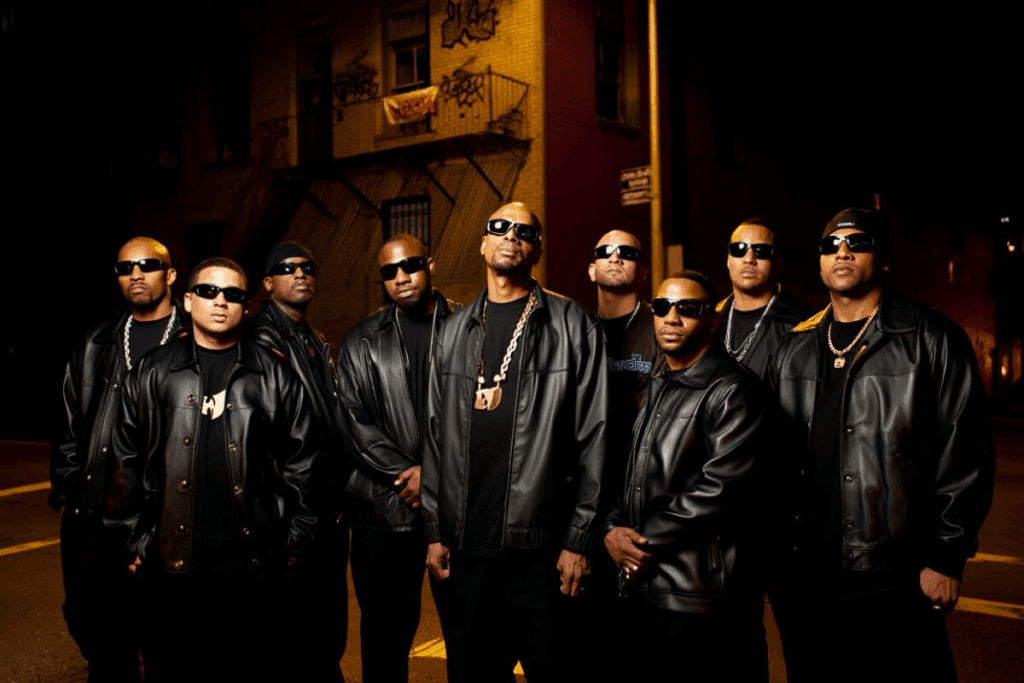
Wu-Tang Clan basically trolled the entire music industry by creating “Once Upon a Time in Shaolin” – a single copy album they flogged for $5 million. Mental? Absolutely. Brilliant? Without question. They generated more press coverage than most artists get in their entire careers, all by doing something completely barmy.
The press absolutely lapped it up, which is the holy grail of any campaign, getting journalists so intrigued they can’t help but write about you. Of course, most of us can’t afford to create million-dollar art pieces, but the principle holds: give the media something genuinely interesting to write about, and proper Music PR can help you tell that story to the right people. Getting covered by music blogs and traditional media will only increase your visibility, but you need that compelling story first.
Radiohead’s Revolutionary Gambit
Then there’s Radiohead, who basically said “sod the record industry” and released “In Rainbows” as pay-what-you-want. Result? 3 million copies moved and every music industry executive having a minor breakdown. Sometimes the best way to make noise is to completely ignore the rulebook.
The TikTok Gold Rush
These days, TikTok is where careers are made and broken faster than you can say “Old Town Road.” Lil Nas X turned a meme into a record-breaking Billboard smash, proving that sometimes the best unsigned artist promotion strategy is just being brilliant at the right time in the right place.
The secret sauce? 15-30 second clips that start at the second verse (not the chorus – counterintuitive, but it works), shot vertically on your phone, looking like you couldn’t care less. The more “professional” it looks, the less it performs. Mad world we live in.
But here’s the thing about Spotify specifically – while TikTok might get you discovered, Spotify’s where the money lives. The algorithm gods over there have their mysterious ways, and cracking their playlist game can mean the difference between dozens of streams and millions.
Smart artists are using targeted Spotify Promotion to get in front of playlist curators who actually matter, rather than just hoping and praying their track gets noticed. And don’t forget about your YouTube channel – it’s brilliant for connecting with your audience through live streams and behind-the-scenes content that helps build a proper fan base.
Classic Guerrilla Tactics That Still Work
- Library infiltration: Hide business cards in music books. Nerdy? Yes. Effective? Surprisingly so.
- QR code scavenger hunts: Because everyone loves a treasure hunt, especially if there’s free music at the end.
- Volunteer your way to fame: Work for free at industry events. You’ll be skint, but you’ll know everyone.
The golden rule of guerrilla marketing? Be prepared to get in trouble. The best campaigns usually involve doing something someone told you not to do. And remember, it’s not just about the stunt itself, it’s about how you engage with your audience afterwards. Those potential fans who discover you through a mental guerrilla campaign need to find high-quality content and a consistent presence across your social media channels to keep them interested.
The Sampling Game (High Risk, High Reward)
Let’s talk about The Verve and “Bitter Sweet Symphony” – possibly the most famous sampling success story slash cautionary tale in music history. They sampled a string section from an orchestral version of The Rolling Stones’ “The Last Time,” and it became absolutely massive. The problem was, they ended up losing all the royalties for 22 years because of a sample clearance cock-up.
The track generated nearly £5 million in publishing revenue, but The Verve saw precisely none of it until 2019, when Mick Jagger and Keith Richards finally had a change of heart and gave the rights back. Moral of the story? Clear your bloody samples, or be prepared for a very long legal battle.
Other Sampling Legends and Disasters
Vanilla Ice with “Ice Ice Baby” – nicked the bassline from Queen and David Bowie’s “Under Pressure,” initially claimed it was different (it wasn’t), and eventually had to cough up £4 million to buy the publishing rights outright. Still, the track was #1 for 16 weeks, so… success?
Girl Talk (Gregg Gillis) went completely mental and used 350+ samples in 71 minutes across multiple albums, never cleared a single one, and somehow never got sued into oblivion. He’s either very lucky or very clever – possibly both.
The brutal truth about sampling? When it works, it really works. When it doesn’t, you’re looking at settlements that can range from £250,000 to £5.3 million plus ongoing royalties. It’s musical Russian roulette.
Co-Writing: The Not-So-Secret Weapon

Here’s a stat that’ll knock your socks off: only 2% of current Hot 100 songs are written by solo writers, compared to 51% back in 1975. These days, the average hit has 4.84 writers on it, with some tracks having more writers than a bloody committee meeting.
The Ed Sheeran Approach
Ed’s basically turned co-writing into an art form. The ginger genius follows what he calls the “Faucet Theory” – learned from hit-making machine Max Martin, which means write loads, expect most of it to be rubbish, and celebrate when something decent emerges.
Sheeran’s strategy involves renting houses for week-long writing intensives, bringing together different writers with complementary skills. He’ll knock out melodies and song structures while his collaborators handle the bits he’s not as strong on. Result? Tracks like “Love Yourself” for Justin Bieber, which became one of JB’s biggest hits.
The Max Martin Money Machine
Speaking of Max Martin, this Swedish mastermind has 27 Billboard Hot 100 #1 hits to his name and earns an estimated £10+ million annually just from catalogue royalties. Not bad for someone who started out in a death metal band called “It’s Alive.”
Martin’s got this thing called “melodic math” – a formula for creating hooks that burrow into your brain and refuse to leave. Tension-release schemes, melodic previews in verses, saving the best bits for the climaxes. It sounds cynical, but it bloody works.
Getting in the Room
So how do you get in these magical writing rooms? Three main routes:
- Publishers: The gatekeepers who can make introductions if they think you’re worth the effort
- Managers: The good ones have connections and aren’t afraid to use them
- Building relationships: The long game – write with everyone, be sound, hope someone remembers you when they’re working on the next chart-topper
The Fast Track Methods (If You Can Pull Them Off)
Write a Proper Banger
Sounds obvious, but there’s actually a formula. Most hits are 3 minutes ± 30 seconds, hook within the first 30 seconds, and use pentatonic scales because they’re easier to sing along to. Professional? No. Effective? Absolutely.
Sample Cleverly (and Legally)
Find that perfect hook that hasn’t been used in a while, clear it properly, and build something brilliant around it. The Verve’s mistake was in the clearing, not the creative choice.
Hook Up with Hit Writers
If you can’t beat them, join them. Getting in a room with established writers is like getting a masterclass in commercial songwriting. Plus, they know people who know people who know other people.
The Viral Lottery (Because Sometimes Lightning Strikes)
Now and then, someone posts a video, goes to bed, and wakes up famous. It’s rare, unpredictable, and mental when it happens. Recent examples include bedroom producers getting 10+ million views on TikTok with one-shot performance videos that look like they were filmed on a potato.
The formula for viral content is basically:
- Be brilliant
- Be lucky
- Be in the right place at the right time
- Have Snoop Dogg randomly share your video (this bit’s optional but helpful)
You can’t manufacture viral moments, but you can create lots of content and hope one of them catches fire. It’s like buying lottery tickets, except the tickets are TikTok videos and the jackpot is career-changing exposure.
Working with the Right People (Finally, Some Sense)
Here’s the thing – you can try to do all this yourself, but unless you’re some sort of marketing savant with unlimited time and energy, you’re probably better off working with people who know what they’re doing.
The independent music market is now worth £14.3 billion globally, growing at 16.1% while the major label side only manages 9%. Translation? There’s money to be made if you know how to play the game.
But here’s the thing: all the brilliant marketing in the world won’t help if your music isn’t actually available where people want to find it. Getting your tracks onto every platform that matters, with proper metadata that doesn’t make you look like an amateur, and ensuring you’re collecting royalties from places you didn’t even know existed, that’s where smart Music Distribution comes into play. Because there’s nothing more heartbreaking than finding out your song went viral somewhere and you saw precisely none of the revenue because you weren’t set up properly.
ROI That Actually Makes Sense
Smart independent artists are seeing proper returns on sensible investments:
- £300-450 for playlist promotion campaigns
- £5-10 daily for social media testing
- £1,000-1,500 monthly budgets for meaningful PR campaigns
The key is finding partners who understand that your budget isn’t limitless and your goals aren’t unrealistic. It’s not just about throwing money at the problem – it’s about strategic thinking, knowing which platforms actually work for your genre, and timing everything properly. Comprehensive Music Marketing becomes essential when you’re ready to move beyond the “post and pray” approach that most artists never graduate from.
The Bottom Line (Or: How Not to Go Broke Chasing Fame)
Massive exposure requires massive investment – that’s just the way it is. But massive doesn’t necessarily mean millions. It means strategic, sustained, and smart. The artists who succeed long-term are the ones who build sustainable careers, not just viral moments.
Whether you’re spending £5,000 or £500,000, the principles remain the same:
- Know your audience
- Play to your strengths
- Don’t try to be everything to everyone
- Work with people who get it
- Be prepared for the long game
Ready to Stop Being the Best-Kept Secret?
Look, we could chat about this all night over pints, but eventually, you’ve got to decide: are you serious about taking your music to the next level, or are you content being the local hero?
If you’re ready to invest in your career properly – and by that, I mean working with people who understand both the creative side and the business side – then maybe it’s time for a proper conversation about strategy, budget, and realistic expectations.
Music Gateway has been helping independent artists navigate this exact challenge for years. They understand that every pound you spend needs to work harder than a one-legged cat in a sandbox, and they’ve got the track record to prove it.
Ready to turn your musical brilliance into something more than just impressive background noise at house parties? Join Music Gateway and get access to the tools, connections, and industry know-how that can actually make a difference to your career. Because the difference between dreaming about success and achieving it? Usually, it’s working with the right people who know how to make your investment count.
Time to stop talking and start doing, innit?