

Licensing your music in 2025 has become a real turning point for independent artists. Digital platforms and modern policies have opened the door in ways that felt impossible just five years ago. Yet, while it’s tempting to believe you can upload a few tracks and wait for royalties to roll in, the numbers say otherwise.
Over 60,000 new songs are uploaded to Spotify every single day, flooding the field with competition. But here’s the curveball. Getting noticed and securing valuable deals is less about luck and more about smart strategy. Most musicians never realise how a bit of planning can transform their music from background noise into sought-after soundtracks.
Table of Contents
- Understanding Music Licensing Basics
- Choosing The Right Licence For Your Music
- Registering And Protecting Your Work
- Steps To License Your Music Successfully
Quick Summary
| Takeaway | Explanation |
|---|---|
| Understand music licensing types | Familiarise yourself with performance, mechanical, and sync licenses for effective monetisation of your music. |
| Protect your work with copyright | Organise high-quality tracks and comprehensive details to make a strong impression on potential licensees. |
| Invest in quality metadata | Well-tagged tracks ease licensing opportunities and ensure potential users can find and understand your music easily. |
| Prepare a professional portfolio | Organize high-quality tracks and comprehensive details to make a strong impression on potential licensees. |
| Create a diverse licensing strategy | Explore various platforms and actively pitch your music to increase the chances of securing licensing deals. |
Understanding Music Licensing Basics
Unlocking the mystical world of music licensing might seem like trying to solve a Rubik’s cube blindfolded, but fear not. By 2025, the process will have become more accessible than ever for independent artists looking to transform their sonic creations into potential revenue streams.
What Is Music Licensing and Why Should You Care?
At its core, music licensing is essentially granting permission for someone to use your musical masterpiece in exchange for payment. Think of it like renting out your musical baby to films, adverts, video games, or streaming platforms. Every time your track plays, cha-ching! You’re potentially earning money without lifting another guitar pick.
The music licensing ecosystem is a complex beast with several key types of licenses artists need to understand. Performance licenses cover public performances of your music – whether that’s in a cheeky pub in Camden or blasting through speakers at a Manchester football match. Mechanical licenses come into play when someone wants to reproduce your recording, like creating physical CDs or digital downloads. Synchronisation licenses are the golden ticket for having your music paired with visual media – imagine your indie banger soundtracking a BBC drama or a slick YouTube advert.
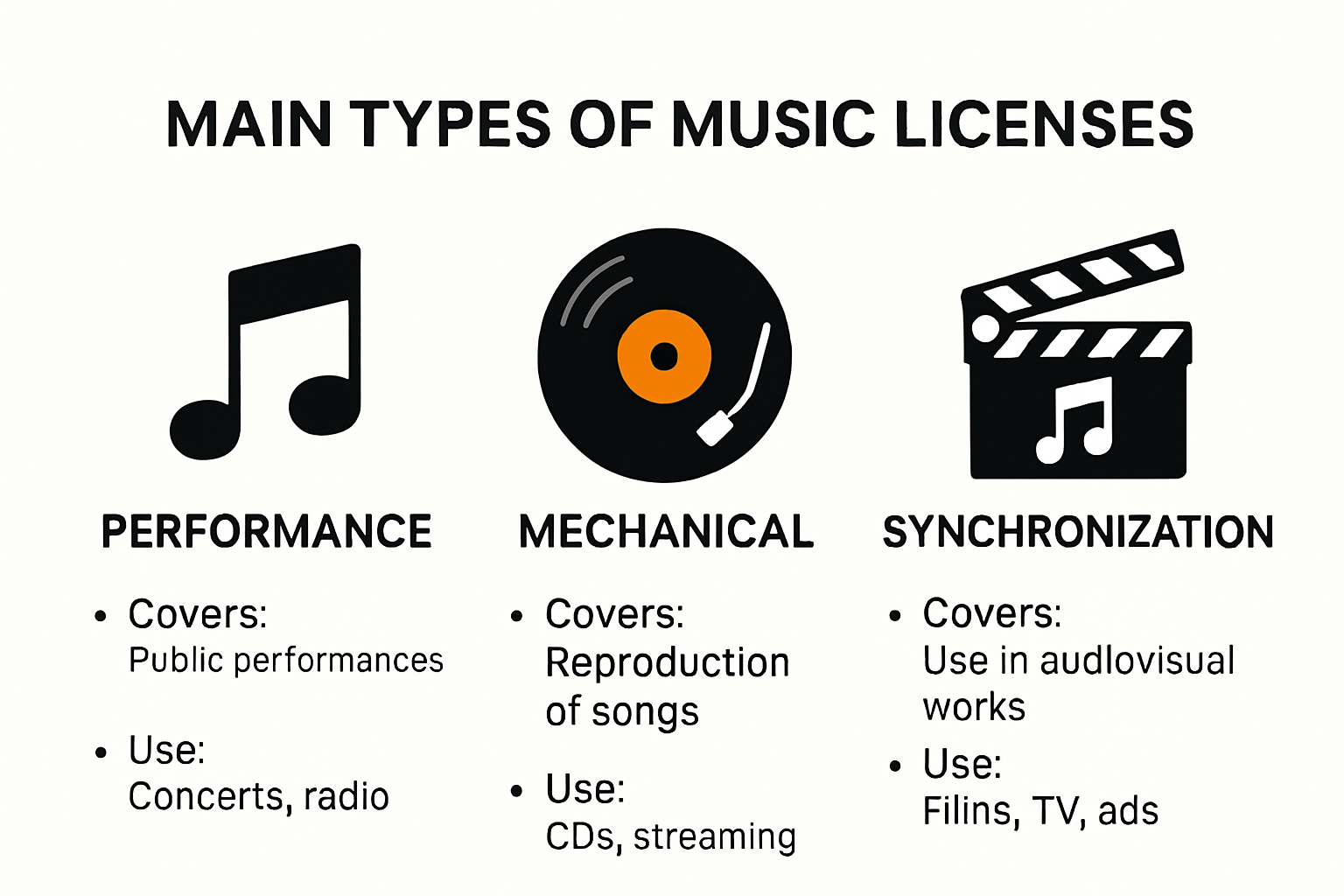
A comparison table below summarises the key differences between the main types of music licences available to musicians in 2025.
| Licence Type | What It Covers | Common Uses |
|---|---|---|
| Performance Licence | Public performances of your music | Flexible permissions set by the artist |
| Mechanical Licence | Reproduction and distribution of your recording | CDs, digital downloads, streaming services |
| Synchronisation Licence | Pairing music with visual media | Film, TV, adverts, video games |
| Creative Commons Licence | Use of a specific sound recording of your track | Non-commercial sharing, user-generated video |
| Master Use Licence | Use of specific sound recording of your track | Sampling, remixes, commercial releases |
Navigating the Digital Licensing Landscape
In 2025, digital platforms have revolutionised how musicians approach licensing. Gone are the days of endless paperwork and mysterious industry gatekeepers. Now, platforms like our comprehensive music licensing guide make the process more transparent and straightforward.
Independent artists now have unprecedented access to licensing opportunities. Streaming services, production music libraries, and sync licensing platforms have democratised the process. You no longer need a massive record label or expensive legal team to get your music licensed. With the right strategy, metadata, and a sprinkle of entrepreneurial spirit, you can position your tracks for potential licensing success.
Remember, licensing isn’t just about making money – it’s about expanding your musical reach. Every license is an opportunity to introduce your sound to new audiences, potentially launching your career into unexpected territories. Whether it’s a quirky indie film, a cutting-edge video game, or a global advertising campaign, your music could be the unexpected soundtrack to someone’s memorable moment.
By understanding these basics, you’re already miles ahead of musicians who treat licensing as some mystical art form. Treat your music as a versatile product ready to be strategically shared, and the licensing world becomes your oyster.
Ready to dive deeper? Join Music Gateway and start your music licensing journey today!
Choosing the Right Licence for Your Music
Picking the right music licence is like selecting the perfect outfit for a first date – it needs to represent you perfectly and make the right impression. By 2025, musicians will have more nuanced options than ever before, allowing for strategic licensing that protects your artistic integrity while maximising potential revenue streams.
Understanding Your Licensing Options
In the digital music ecosystem, artists have multiple licensing pathways to explore. Performance Licences remain the bread and butter for live musicians and songwriters. These cover public performances of your music – whether that’s a packed gig in a sweaty London pub or your track playing on national radio. Every time your song is performed publicly, you could be earning royalties.
For digital creators, Synchronisation Licences are the golden ticket. These allow your music to be paired with visual media like films, adverts, YouTube videos, and video games. Imagine your indie track soundtracking a BBC documentary or a slick global advertising campaign – that’s the power of a sync licence. Learn more about sync licensing strategies to understand how to position your music effectively.
Navigating Creative Commons and Digital Licensing
Creative Commons licences offer another innovative approach for independent artists in 2025. These flexible licensing models allow you to specify exactly how others can use your music. Want to permit non-commercial sharing? Require attribution? Prevent derivative works? Creative Commons gives you granular control.
For electronic and dance music producers, Master Use Licences become increasingly important. These specifically deal with the recording itself, allowing others to use your specific sound recording. This is crucial for sampling, remixing, and commercial use of your original track.
The key is understanding that different licensing models serve different purposes. A performance licence won’t cover sync usage, and a master use licence isn’t the same as a mechanical licence. Each serves a unique function in helping you monetise and distribute your musical creativity.
Pro tip for 2025: metadata is king. Ensure your tracks are tagged correctly with all licensing information. This makes it easier for potential users to understand usage rights and for you to track potential revenue streams. Think of it like a digital business card for your music.
Remember, licensing isn’t just about making money – it’s about strategic musical distribution. Every licence is an opportunity to introduce your sound to new audiences, potentially launching your career into unexpected territories. Whether it’s an indie film, a cutting-edge video game, or a global advertising campaign, your music could be the unexpected soundtrack to someone’s memorable moment.
Registering and Protecting Your Work
In the digital musical wilderness of 2025, protecting your sonic creations is like guarding a precious treasure. Your music isn’t just art – it’s intellectual property that requires strategic safeguarding against potential misuse or uncredited exploitation.
Copyright Fundamentals for Modern Musicians
Copyright protection starts the moment you create an original piece of music, but registration transforms that basic protection into an ironclad legal shield. By 2025, digital registration processes will have become streamlined and musician-friendly. Your tracks need comprehensive metadata, including creation date, composer details, and performance rights information.
Composition Copyright covers the written music and lyrics – essentially the blueprint of your musical creation. This protects the core of your artistic expression, ensuring that your melodic and lyrical genius remains exclusively yours. Sound Recording Copyright protects the specific recording of that composition – the actual audio file that represents your unique performance and production.
Pro musicians understand that copyright isn’t just a legal formality – it’s a strategic tool for monetisation. Explore comprehensive music rights protection to transform your artistic output into a professionally managed asset.
The table below outlines the essential elements required for professional copyright and metadata registration in 2025.
| Metadata Element | Description |
|---|---|
| Track Title | Full name of each piece |
| Creation Date | Date the track was composed/recorded |
| Composer Details | Names of all creators |
| Performance Rights Info | Ownership and rights holders |
| Publishing Information | Publisher, if applicable |
| ISRC/ISWC Codes | Unique international identifiers |
| Licensing Permissions | Rights and usage restrictions |
Digital Registration and Metadata Management
In 2025, metadata will become the unsung hero of music protection. Think of it as a digital fingerprint for your track. Comprehensive metadata includes:
- Precise track information
- Ownership details
- Licensing permissions
- Performance rights information
- Unique identifiers like ISRC and ISWC codes
Multiple international databases now allow musicians to register works quickly. The global music ecosystem has become more interconnected, making tracking and protecting your intellectual property easier than ever. Professional platforms offer automated registration services that can upload your tracks to multiple copyright registries simultaneously.
Protecting Against Unauthorised Use
Unauthorised use of your music isn’t just a potential revenue loss – it’s an invasion of your artistic territory. Modern musicians need a proactive approach to protection. Digital fingerprinting technologies and AI-powered content recognition systems can now automatically detect and flag unauthorised usage across streaming platforms, social media, and digital content channels.
Consider investing in digital monitoring services that track your music’s usage across global platforms. These services can send automated takedown notices, track potential licensing opportunities, and provide comprehensive reports on your music’s digital footprint.
Remember, protecting your work isn’t about being paranoid – it’s about being professional. Your music represents your creative investment, and in 2025, you have more tools than ever to safeguard that investment.
Ready to take control of your musical rights? Join Music Gateway and start your comprehensive music protection journey today!
Steps to License Your Music Successfully
Licensing your music in 2025 is less about luck and more about strategic planning. Think of it like preparing a killer pitch for your musical baby – you need precision, professionalism, and a dash of creative swagger.
Preparing Your Musical Portfolio
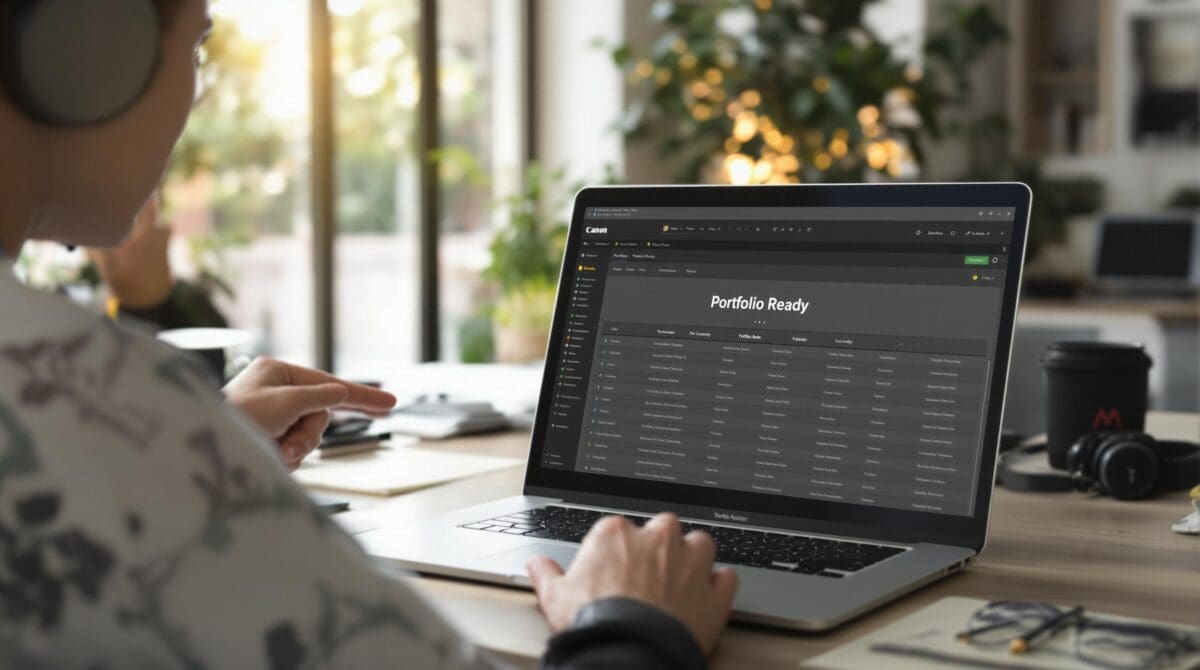
Before diving into the licensing world, you need a rock-solid musical portfolio that screams professional readiness. This means high-quality, professionally mixed tracks with crystal-clear metadata. Your digital assets are your musical calling card – make them shine.
Start by organising your music catalogue meticulously. Create a comprehensive spreadsheet tracking each track’s details:
- Full track title
- Composition credits
- Publishing information
- Genre and mood
- Potential licensing categories
- Unique identifiers like ISRC codes
Quality is paramount. Discover professional licensing preparation strategies to ensure your tracks are market-ready. Professional-grade recordings with clean, crisp production will dramatically increase your licensing potential.
Navigating Licensing Platforms and Opportunities
In 2025, musicians will have unprecedented access to licensing platforms. Sync licensing libraries have become the new gold rush for independent artists. These digital marketplaces connect musicians directly with content creators seeking specific musical styles.
Key platforms to explore include specialised music licensing websites, production music libraries, and genre-specific marketplaces. Each platform has unique requirements, so tailor your approach. Some focus on cinematic scores, others on electronic or indie tracks. Research thoroughly and target platforms aligned with your musical style.
Understanding Master Use Licences becomes crucial. These specifically deal with your actual sound recording, allowing others to use your precise version of a track. Electronic and dance music producers, in particular, will find these licences increasingly valuable for sampling and commercial use.
Building Your Licensing Strategy
Successful music licensing in 2025 requires a multifaceted approach. Think of it like playing musical chess – you need strategy, patience, and multiple moves planned. Networking remains crucial. Attend industry events, connect with music supervisors, and build relationships with licensing professionals.
Consider diversifying your licensing strategy. Don’t just wait for opportunities – actively pitch your music. Create targeted demo reels for specific industries like advertising, film, or gaming. Understand what different sectors look for in musical accompaniment.
Metadata and tagging have become your secret weapon. Use descriptive, searchable keywords that help potential licensees find your music quickly. Think about the emotional landscape and visual scenarios where your music might fit.
Remember, licensing is a marathon, not a sprint. Some tracks might get picked up immediately, while others might take months or years. Persistence and continuous improvement are key. Regularly update your catalogue, refine your recordings, and stay adaptable to emerging musical trends.
Ready to transform your musical passion into a strategic licensing journey? Join Music Gateway and unlock your music’s full potential today!
Frequently Asked Questions
What is music licensing, and why is it important?
Music licensing involves granting permission to use your music in exchange for payment. It’s crucial for monetising your work and ensuring that you receive royalties whenever your music is played publicly or used in any media.
What types of licenses should I consider for my music in 2025?
In 2025, you should be aware of several license types, including performance licenses for public performances, mechanical licenses for reproducing your music, and synchronisation licenses for pairing your tracks with visual media like films and advertisements.
How can I protect my music from unauthorised use?
To protect your music, register it for copyright to secure your rights. Additionally, use digital fingerprint technologies and monitoring services to detect unauthorised usage and take necessary action against it.
What steps should I follow to successfully license my music?
To successfully license your music, prepare a professional portfolio with high-quality tracks and complete metadata, choose the right licensing platforms that fit your genre, and develop a diverse licensing strategy that includes actively pitching your music to potential licensees.
Your Path to Music Licensing Success Starts Here
Stepping confidently into the world of music licensing can feel overwhelming, especially with the rising competition and complex decisions around picking the right license or protecting your catalogue. Many independent artists struggle to make their music stand out for sync opportunities, manage metadata, and master the latest copyright essentials. The article makes it clear that having the know-how is only the first step. Building momentum requires specialised support and practical tools to transform knowledge into real results.
With Music Gateway’s music promotion solutions, you cut through industry noise and gain direct access to distribution, sync licensing and playlist placement services, all under one roof. Tackle your pain points head-on by organising your songs, polishing your portfolio and actively seeking out new licensing deals. Ready to simplify the process and convert your music into income? Visit Music Gateway today and unlock your licensing potential before the next opportunity passes you by.